

An incredible behind-the-scenes look at the 007 saga in the movies
A VERSÃO EM PORTUGUÊS ESTÁ ABAIXO/THE PORTUGUESE VERSION IS BELOW
Just imagine having the opportunity to hear the story behind the James Bond films straight from the mouths of everyone involved in the production. The behind-the-scenes trivia, the opinions of directors, screenwriters, producers, and actors about everything that went right or wrong throughout the more than sixty years of the series’ history.
That’s exactly what the book Nobody Does It Better: The Complete Uncensored, Unauthorized Oral History of James Bond, by journalists Mark A. Altman and Edward Gross, provides. Across more than 700 pages, the duo compiles thousands of quotes and testimonies about the world’s most famous secret agent by interviewing dozens of people and collecting statements published in various outlets over the decades. There are accounts from Ian Fleming himself, the character’s creator; from producers Albert “Cubby” Broccoli and Harry Saltzman, who brought the spy to the screen in 1962; from the directors who kicked off the cinematic saga or carried on its legacy; and from all the main actors involved over the decades. As a bonus, the authors also gathered opinions from film experts and scholars, as well as from professionals who nearly joined the franchise as screenwriters or directors, such as John Landis (director of An American Werewolf in London), who worked on scripts or plots for 007 films more than once, only to have his efforts discarded due to poorly received ideas or inappropriate jokes.

For instance, Landis proposed that The Spy Who Loved Me (1977) begin with James Bond (then played by Roger Moore) in a Latin American country, being chased by the local army and hiding in a small village church. The soldiers search the church thoroughly but can’t find Bond. As they leave, baffled, the camera pans to the cross above the altar, where Bond is hanging like Jesus Christ. In his opinion, it was a chance to make the spy “serious again.” But producer Broccoli’s response was simply, “No way.”
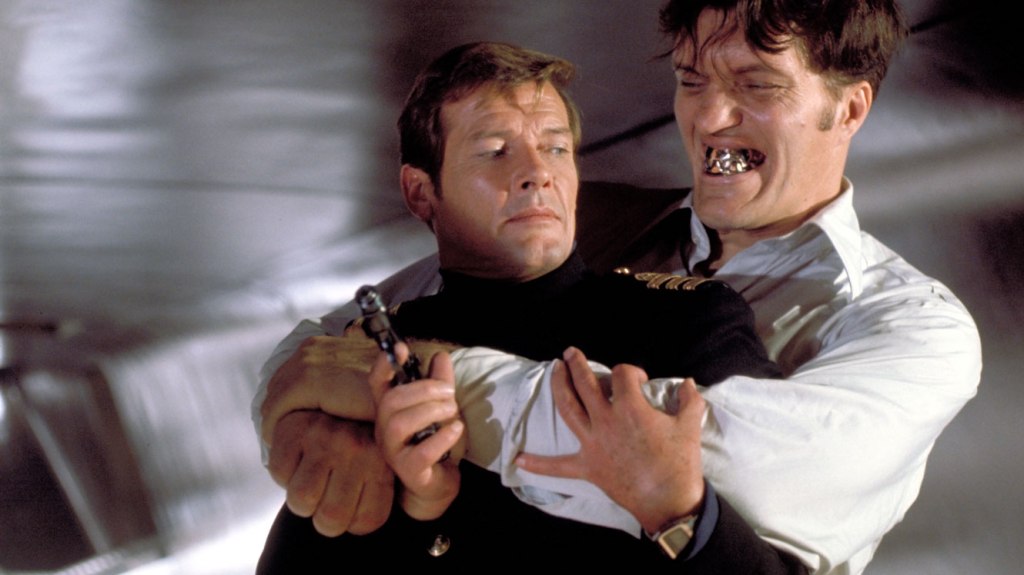
In another testimony, director Peter Hunt of On Her Majesty’s Secret Service (1969) reveals that Australian George Lazenby, who replaced Sean Connery after the fifth film in the series, was cast just two weeks before filming began, when the producers and the studio, United Artists, couldn’t find another actor they liked better.
Later on, actor Pierce Brosnan admits that, after the confusion that followed his selection for the role of Bond in 1986 — only for him to be unable to take the job due to a contract with a TV series —, his frustration led him to avoid watching the Bond films starring Timothy Dalton, who ended up taking over the role on screen in his place.

Another curiosity is the recurring accounts of the struggles producers constantly faced to meet the studio’s release deadlines, especially after the success of GoldenEye (1995), which revived the franchise and finally starred Brosnan. The need to release a new film every two years caused many scripts to fall short in several of the movies, according to various people involved.
In another amusing excerpt, the book recalls a humorous critique written by Roger Moore about Die Another Day (2002) for The Times: “I think the film went a bit too far—and that’s coming from me, the first Bond in space! Invisible cars and bad computer effects? Please!” Speaking of the film that took Bond to space, Moonraker (1979), Albert Broccoli confesses that it was partly filmed in Brazil because he had visited the country during promotional tours for The Spy Who Loved Me and thought the stunning locations of Foz do Iguaçu and Sugarloaf Mountain would look great in a spy movie.

While almost always entertaining, with stories that may never have been told anywhere else, the book becomes somewhat less engaging when addressing the films starring Daniel Craig. The behind-the-scenes tales grow less interesting, perhaps due to the serious and realistic nature of the productions starting with Casino Royale (2006). In fact, as one interviewee puts it: “The films with Craig might have been good, but they weren’t as fun as the earlier ones.”
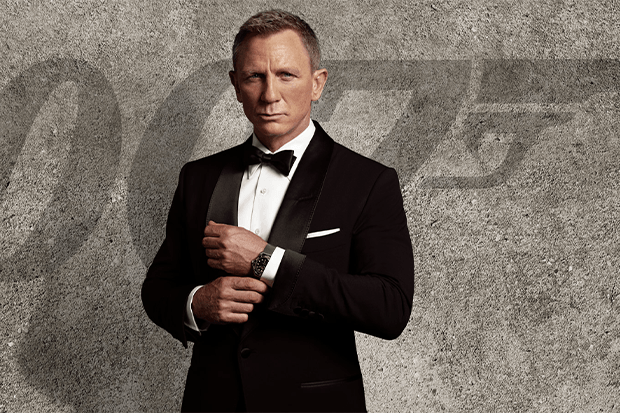
These are just a few random examples of the information the book brings. It’s a highly recommended book, the kind to revisit from time to time. And as a final tip: for those who don’t read English or can’t access this book, a great alternative is Sexo, Amor e Balas (Sex, Love, and Bullets) by brazilian journalist Eduardo Torelli, which also tells the history of James Bond in literature, on screen, and even in comics—with the added advantage of being full of images, something Nobody Does It Better lacks.
Nobody Does It Better (2021, Forge Publishing)
By Mark. A. Altman e Edward Gross
720 pages
Rating: 9 Nerds (out of 10) 😎😎😎😎😎😎😎😎😎
\\\\\\\\\\\\\\\\\\\\\\\\\\\\\\\\\\\\\\\\\\\\\\\\\\\\\\\\\\\\\\\\\\\\\\\\\\\\\\\\\\\\\\\\
VERSÃO EM PORTUGUÊS:
Uma incrível visão de bastidores sobre a saga de 007 no cinema
Imagine ter a oportunidade de ouvir a história por trás dos filmes de James Bond diretamente da boca de todos os envolvidos nas produções. As curiosidades de bastidores, as opiniões dos diretores, roteiristas, produtores e atores sobre tudo que deu certo ou errado ao longo dos mais de sessenta anos de história da série.
É exatamente isso que proporciona o livro Nobody Does It Better: The Complete Uncensored , Unauthorized Oral History of James Bond, dos jornalistas Mark A. Altman e Edward Gross. Ao longo de mais de 700 páginas, a dupla reúne milhares de citações e depoimentos sobre o agente secreto mais conhecido do mundo ao entrevistar dezenas de pessoas e coletar depoimentos publicados em diversos veículos ao longo das décadas. Há depoimentos do proprio Ian Fleming, o criador do personagem; dos produtores Albert “Cubby” Brocolli e Harry Saltzman, que levaram o espião às telas em 1962; dos diretores que iniciaram a saga no cinema ou que deram continuidade ao legado e de todos os atores principais envolvidos ao longo das décadas. De quebra, os autores ainda colheram opiniões de especialistas e estudiosos de cinema, assim como de profissionais que quase foram contratados como roteiristas e diretores, como John Landis (diretor de Um Lobisomem Americano em Londres) que por mais de uma vez trabalhou em roteiros ou tramas dos filmes de 007 apenas para ter seus esforços descartados devido a ideias mal-recebidas ou piadas inapropriadas.
Por exemplo, Landis propôs que 007: O Espião que me Amava (1977) começasse com James Bond (então interpretado por Roger Moore) em um país latino, sendo perseguido pelo exército local, e escondendo-se em na igreja de uma pequena aldeia. Os soldados dão uma busca geral na igreja, mas não acham Bond. Enquanto vão embora confusos, a câmera mostra a cruz sobre o altar e Bond está lá, pendurado como Jesus Cristo. Era, em sua visão, uma chance de tornar o espião “sério de novo”. Mas a resposta do produtor Broccoli foi apenas “Sem chance”.
Em outro depoimento, o diretor Peter Hunt, de 007 a Serviço Secreto de sua Majestade (1969) revela que o australiano George Lazenby, que substituiu Sean Connery após o quinto filme da série, foi escolhido para o papel apenas duas semanas antes de as filmagens começarem, quando os produtores e o estúdio, a United Artists, não conseguiram achar outro ator de que gostassem mais.
Mais à frente, o ator Pierce Brosnan admite que, após a confusão que se seguiu quando ele foi escolhido para o papel de Bond em 1986 e não conseguiu assumir o trabalho devido a um contrato que tinha com um seriado de TV, sua frustração fez com que não assistisse por anos os filmes de Bond estrelados por Timothy Dalton, que acabou por herdar o personagem nas telas em seu lugar.
Outra curiosidade são os constantes relatos dos apuros que os produtores passavam constantemente para cumprir os prazos de lançamento exigidos pelo estúdio, principalmente a partir do sucesso de 007 Contra Goldeneye (1995) que reviveu a franquia e finalmente foi estrelado por Brosnan. A necessidade de lançar um novo filme a cada dois anos fez muitos dos roteiros deixarem a desejar em vários dos filmes, segundo vários envolvidos relatam.
Em outro trecho curioso, o livro relembra a crítica bem-humorada escrita por Roger Moore sobre 007: Um Outro Dia para Morrer, de 2002, para o jornal The Times: “Eu acho que o filme foi um pouco longe demais – e isso vindo de mim, o primeiro Bond no espaço! Carros invisíveis e efeitos de computador ruins? Por favor!” Aliás, sobre o filme que levou Bond ao espaço, 007 Contra o Foguete da Morte (1979), Albert Broccoli confessa que o filme foi em parte gravado no Brasil porque ele tinha visitado o país durante as turnês promocionais de O Espião que me Amava e achou que as belas locações de Foz de Iguaçu e o Pão de Açucar ficariam ótimas num filme do espião.
Embora seja quase sempre divertido e curioso, com histórias que talvez nunca tenham sido contadas em outro lugar, o livro se mostra um tanto menos instigante quando trata dos filmes estrelados por Daniel Craig. As histórias de bastidores ficam menos interessantes e espirituosas, talvez pela natureza séria e realista das produções a partir de 007: Cassino Royale (2006). Aliás, como diz um dos entrevistados: “Os filmes estrelados por Craig podem ter sido bons, mas não eram divertidos como os anteriores”.
Estes são apenas alguns exemplos aleatórios das informações que o volume traz. Um livro recomendado, do tipo para guardar e consultar de tempos em tempos. E, como última dica: para quem não lê em inglês ou não pode ter acesso a este livro, uma ótima opção é Sexo, Amor e Balas, do jornalista Eduardo Torelli, que também narra de modo mais que competente a história de James Bond na literatura, nas telas e até nos quadrinhos – com a vantagem de ser repleto de imagens, algo que falta a Nobody Does It Better.
Nobody Does It Better (2021, Forge Publishing)
Autores: Mark. A. Altman e Edward Gross
720 páginas
Nota: 9 Nerds (de 10) 😎😎😎😎😎😎😎😎😎

